+8613706519013
 BHC Polymer Additives Co., Ltd / Shanghai Crystal Wells Chemical New Materials Co., Ltd.

Adhesive System Additives
Adhesive System Additives
Reinforced rubber products — tires, conveyor belts, fire hose, V belts — depend on a strong, durable bond between the rubber and the fabric, steel cord, or metal fabric that reinforces it. That bond doesn't happen on its own; it's built by a resorcinol-formaldehyde adhesive system that forms a phenolic resin during vulcanization, chemically tying the rubber to the reinforcing substrate.
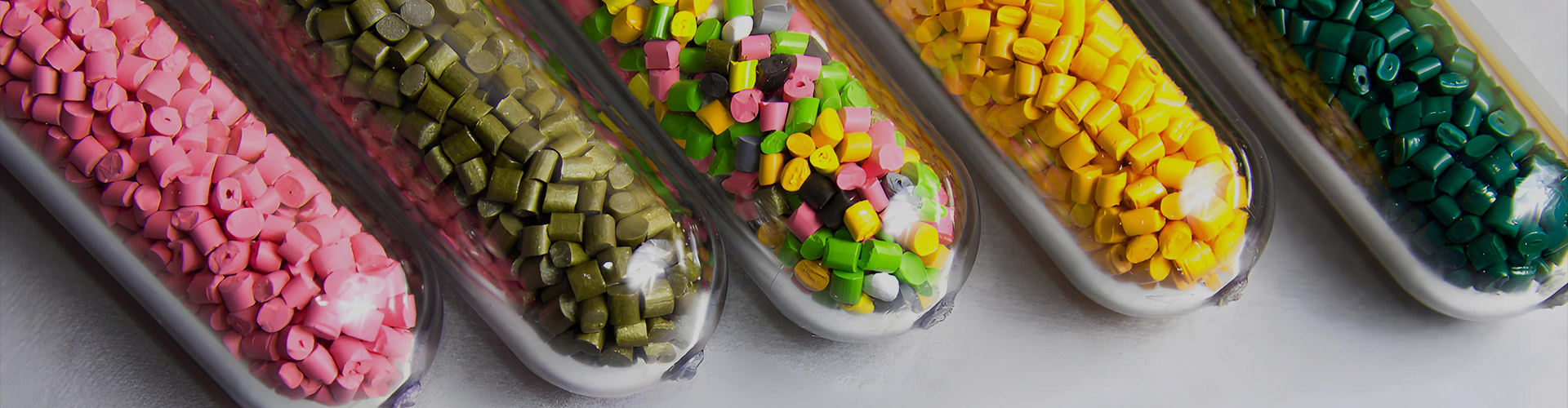
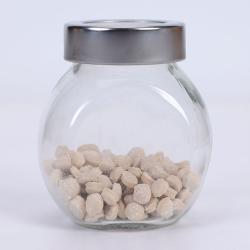
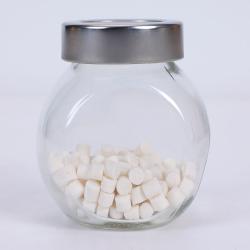
We offer two pre-dispersed resorcinol grades, R-35 and R-80, differing mainly in active resorcinol content. Both are designed to be used together with a formaldehyde donor such as HEXA-80, and both avoid the volatility problems of using pure crystalline resorcinol directly in the mixing process.
Product Comparison
| Parameter | Resorcinol (R)-35 | Resorcinol (R)-80 |
|---|---|---|
| Composition | 35% resorcinol, 65% carrier and dispersing aid | 80% resorcinol, 20% carrier and dispersing agent |
| Appearance | Gray to pale red particles | Gray to pale red particles |
| Density | ≈1.16 g/cm³ | ≈1.09 g/cm³ |
| Active Resorcinol Purity | ≥99.5% | ≥99% |
| Recommended Dosage | 4.5–9.0 phr | 2.0–4.0 phr |
Selection Guide of Adhesive System Additives
Choose based on dosing precision, not performance
Both grades deliver the same resorcinol-formaldehyde bonding chemistry — the choice comes down to how you'd rather dose it. R-80's higher active content means a smaller phr addition delivers the same active resorcinol; R-35's lower active content spreads that same amount across a larger phr range, which can suit mixing setups that prefer higher-volume, more precisely controllable additions.
Always pair with a formaldehyde donor
Neither grade bonds on its own — both are designed to be used together with a formaldehyde donor such as HEXA-80. The two react during curing to form the phenolic-formaldehyde resin that actually creates the bond.
Frequently Asked Questions
1. Why use a pre-dispersed resorcinol grade instead of pure crystalline resorcinol?
Pure crystalline resorcinol is prone to volatilizing during mixing, which creates fume and handling issues. Pre-dispersing it into a carrier masterbatch avoids that volatility while delivering the same active bonding chemistry.
2. What's the relationship between resorcinol and HEXA-80 in the bonding system?
Resorcinol is the phenolic component and HEXA-80 is the formaldehyde donor. During the curing process, the two react together to form a phenol-formaldehyde resin that bonds the rubber tightly to textile or metal reinforcement.
3. Do R-35 and R-80 need different dosages of HEXA-80?
The formaldehyde donor ratio should be balanced against the active resorcinol content you're actually adding, not the phr of the resorcinol masterbatch itself — since R-80 delivers more active resorcinol per phr than R-35, the HEXA-80 dosage should be adjusted accordingly. Our technical team can help you work out the correct ratio for your target formula.
4. What applications is this adhesive system used for?
Both grades are used for tires, conveyor belts, V belts, round tape, fire hose, other reinforced hoses, soft containers, and general fabric gluing — anywhere rubber needs a durable bond to textile or metal reinforcement.
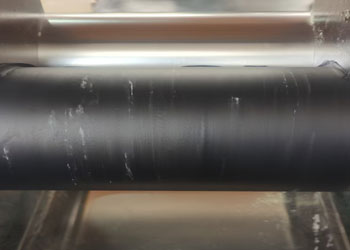
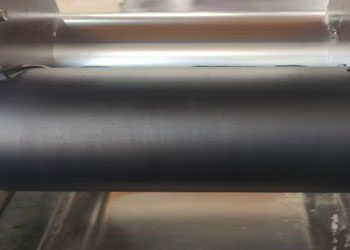
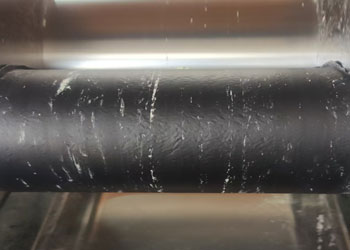
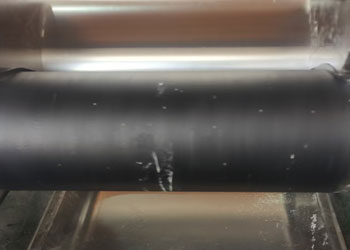
Comparison of roll kneading performance with powder products
Comparison of roll kneading performance with powder products |
| 10 seconds later | 30 seconds later | 60 seconds later | |
| MASTERBATHCES | 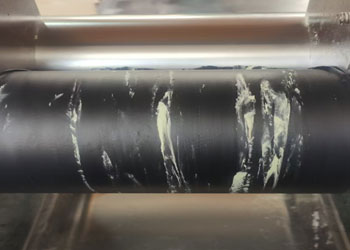 |
 |
 |
| POWDER | 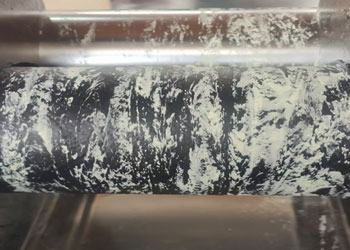 |
 |
 |