+8613706519013
 BHC Polymer Additives Co., Ltd / Shanghai Crystal Wells Chemical New Materials Co., Ltd.

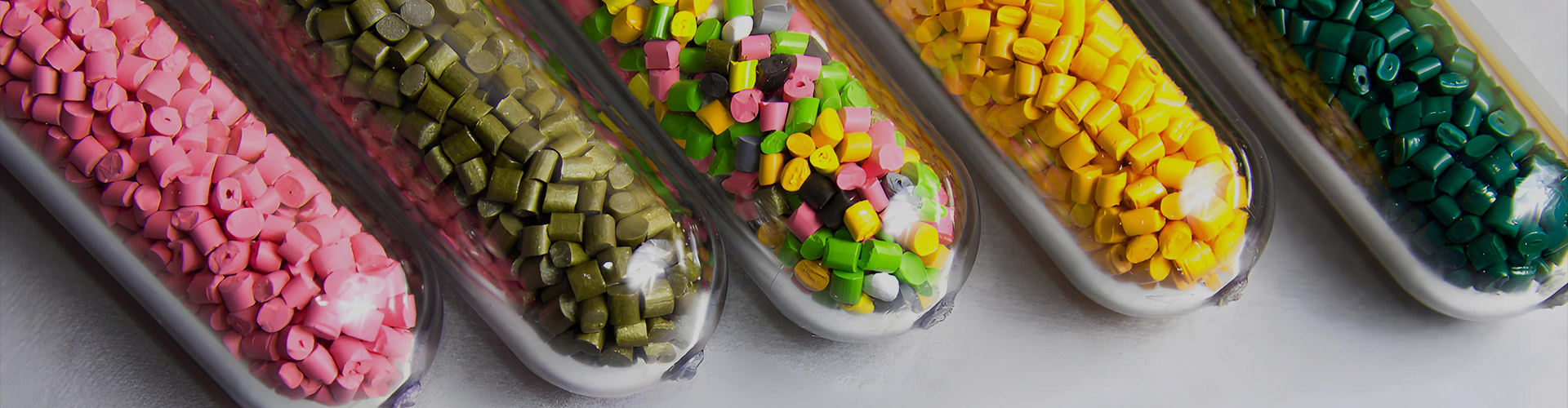
Crosslinking Agent
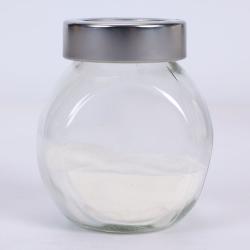
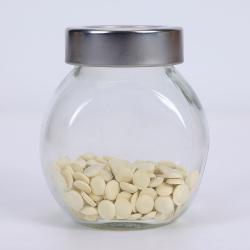

Crosslinking Agents
Some applications ask more of a cure system than a standard sulfur network can deliver — cable insulation, high-temperature seals, and specialty elastomer parts often need the heat resistance, chemical stability, and mechanical strength that come from carbon-carbon crosslinks or resin-based curing instead. This category covers two different crosslinking chemistries: TAIC, a co-agent for peroxide-cured systems, and BH-41-IIR, our in-house resin crosslinker built specifically for butyl rubber.
TAIC is available both as a raw chemical (in several purity grades) and as TAIC-50, a 50% active pre-dispersed masterbatch for dust-free, accurate dosing.
Product Comparison
| Product | Chemistry | Form | Primary Use |
|---|---|---|---|
| TAIC | Triallyl isocyanurate, raw chemical — 4 purity grades available | Liquid or crystal/powder, undiluted | Peroxide-cure co-agent and crosslinker across thermoplastics, EPDM, fluororubber, ion exchange resins, and more |
| TAIC-50 | 50% triallyl isocyanurate, 50% carrier and dispersing agent | Off-white, translucent pre-dispersed masterbatch | Vulcanizing agent for EPDM, fluororubber, and other specialty rubbers, dosed with a peroxide |
| BH-41-IIR (in-house R&D) | 70% thermally reactive alkylphenol formaldehyde resin and zinc oxide, 30% carrier | Yellow granules, pre-dispersed masterbatch | Resin crosslinker for butyl rubber (capsules, water tires) and other rubbers including EPDM, NR, SBR, NBR, CR |
TAIC Grade Options
| Grade | Appearance | Content ≥ | Acid Value / Color APHA |
|---|---|---|---|
| Photovoltaic Grade (solar EVA film) | Colorless transparent liquid or crystal | 99.5% | ≤0.2 mg KOH/g / ≤30 |
| Premium Liquid | Light yellow liquid or crystal | 98% | ≤0.3 mg KOH/g / ≤50 |
| Ordinary Liquid | Light yellow liquid or crystal | 97% | ≤0.5 mg KOH/g / ≤55 |
| Powder | White or light yellow powder | 70% (ash ≤30%) | — |
Selection Guide for Crosslinking Agents
TAIC (raw) vs. TAIC-50 (masterbatch)
Choose raw TAIC when you need a specific purity grade for a specialized, non-rubber application (like photovoltaic-grade EVA film) or when your existing process is built around handling the neat chemical. Choose TAIC-50 for rubber compounding, where dust-free handling and accurate dosing outweigh the need for a specific purity spec.
TAIC-50 vs. BH-41-IIR
These aren't interchangeable — TAIC-50 is a peroxide-cure co-agent used with a separate peroxide initiator, while BH-41-IIR is a resin-based crosslinker built specifically for butyl rubber (IIR), reacting through active hydroxymethyl groups rather than a peroxide mechanism. If your base polymer is butyl rubber, especially for capsules or water tires, BH-41-IIR is the purpose-built option.
Choosing a TAIC purity grade
Photovoltaic grade is reserved for solar EVA film applications requiring the highest purity and lowest color. Premium and Ordinary Liquid grades suit general crosslinking and vulcanization use where photovoltaic-level purity isn't required. Powder is the lower-cost, lower-purity option for less purity-sensitive applications.
Why BH-41-IIR over raw resin and zinc oxide
Using thermally reactive alkylphenol formaldehyde resin and zinc oxide directly often causes adhesion and agglomeration problems. Pre-dispersing them into the BH-41-IIR masterbatch solves that handling issue while delivering the same crosslinking chemistry, with good scorch safety built in.
Frequently Asked Questions
1. Does TAIC-50 need a peroxide to work?
Yes — TAIC-50 functions as a co-agent alongside a peroxide such as DCP rather than as a standalone curing agent. It boosts crosslinking efficiency, cure speed, and final properties like strength and wear resistance beyond what the peroxide alone would deliver.
2. Can BH-41-IIR be used with rubbers other than butyl rubber?
Yes — while it's purpose-built for butyl rubber (IIR), BH-41-IIR can also be used with EPDM, NR, SBR, NBR, and CR. Note that the curing reaction requires the addition of a halogen source in the rubber.
3. What does the "Content ≥" figure mean across the TAIC grades?
It's the minimum purity of active TAIC in that grade — 99.5% for Photovoltaic Grade down to 70% for Powder (with the remainder as ash in the powder grade). Higher purity generally means better color and lower acid value, which matters most in optically sensitive or highly regulated applications like solar film.
4. Is TAIC used outside of rubber compounding?
Yes — TAIC has a wide range of uses beyond rubber, including crosslinking thermoplastics, ion exchange resins, epoxy and polyester modification, and as an intermediate for UV-curable coatings and flame retardants. Our rubber-focused grades (TAIC-50 in particular) are optimized for rubber compounding specifically.
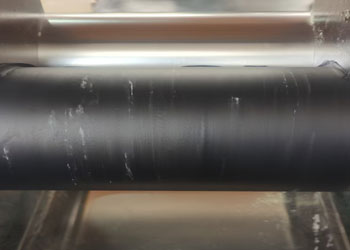
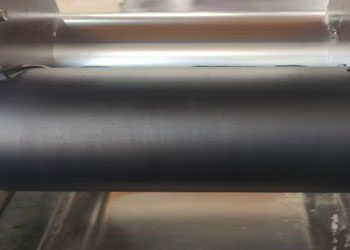
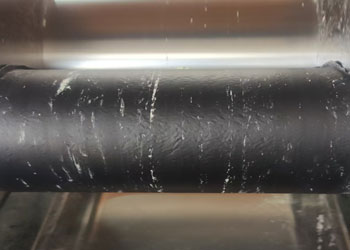
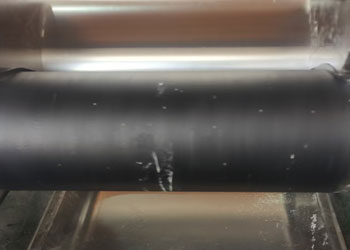
Comparison of roll kneading performance with powder products
Comparison of roll kneading performance with powder products |
| 10 seconds later | 30 seconds later | 60 seconds later | |
| MASTERBATHCES | 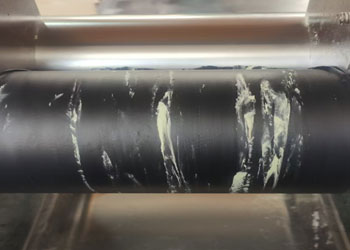 |
 |
 |
| POWDER | 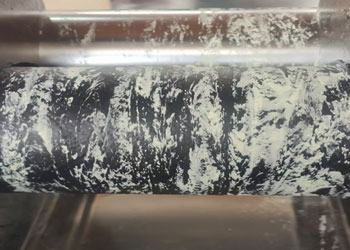 |
 |
 |