+8613706519013
 BHC Polymer Additives Co., Ltd / Shanghai Crystal Wells Chemical New Materials Co., Ltd.

Rubber Antioxidant
Rubber Antioxidants
Rubber compounds are under constant attack from heat, oxygen, and ozone throughout their service life, and antioxidants are what stand between that exposure and premature cracking, hardening, or discoloration. This category features two antioxidant masterbatches developed in-house by our own R&D team, each addressing a specific pain point that standard antioxidant chemistry struggles with: additive migration and surface discoloration on one side, and environmental impact and static ozone protection on the other.
Both products are supplied as pre-dispersed masterbatches for dust-free handling and consistent, repeatable dosing, and both are backed by our own formulation and technical support team rather than being resold third-party chemistry.
Product Comparison
| Product | Composition | Appearance | Key Parameters | Primary Benefit |
|---|---|---|---|---|
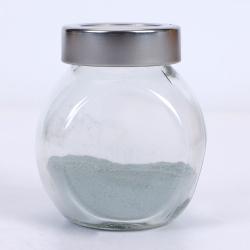
| JXBH-BH-F77 | 50% BF-77 liquid, 50% precipitated silica | Gray powder | Ash 42–52%; heating loss ≤50%; density ≈1.4 g/cm³ | Low-migration, anti-discoloration macromolecular antioxidant |
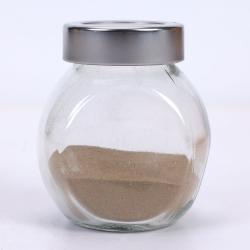
| JXBH-F253 | 60% F253, 40% white carbon black | Brown powder | Active content 36.5±3.0%; heating loss at 105°C ≤3.0% | Low-ecotoxicity static ozone protection, positioned as a safer alternative to conventional amine antioxidants |
Selection Guide of Rubber Antoxidants
Choose JXBH-BH-F77 when migration and discoloration are the priority
F77 is built as a multifunctional macromolecular antioxidant specifically to slow the migration rate of antioxidant chemistry to the rubber surface, which is the mechanism behind surface discoloration and staining. It's best suited for tires, footwear, and conveyor belts where visible surface bloom or discoloration is a quality concern.
Choose JXBH-F253 when static ozone protection and environmental profile matter
F253 delivers strong static ozone protection with fast dispersion and good compatibility, while carrying a substantially lower aquatic ecotoxicity profile than conventional amine antioxidants like 6PPD — including avoiding the oxidation byproduct linked to fish toxicity in that older chemistry. It's a strong fit for manufacturers facing tightening environmental compliance expectations.
Frequently Asked Questions
1. Why does antioxidant migration cause discoloration in the first place?
Many conventional antioxidants are small, mobile molecules that migrate to the rubber surface over time, where they can oxidize and discolor. JXBH-BH-F77 is built around a larger, macromolecular structure that migrates far more slowly, which is what reduces surface discoloration while still delivering ongoing protection.
2. What's the difference between JXBH-F253 and a conventional amine antioxidant like 6PPD?
F253 offers substantially lower water solubility and aquatic toxicity than 6PPD, and its oxidation products do not carry the fish-toxicity concern associated with 6PPD-quinone — an issue that has drawn increasing regulatory attention around tire-related antioxidant chemistry in recent years. Functionally, it still provides strong static ozone protection for tires, conveyor belts, and similar products.
3. Can these two products be used together in the same compound?
Yes. Because they address different failure modes — F77 targets migration and surface discoloration, F253 targets static ozone cracking — they can be combined in formulations that need both a clean surface appearance and strong long-term ozone resistance. Contact our technical team for dosage guidance specific to your compound.
4. How should these products be stored?
Both should be kept sealed in a cool, dry, ventilated location away from moisture. JXBH-F253 additionally benefits from low-temperature storage; under normal conditions it carries a minimum shelf life of one year. JXBH-BH-F77 is supplied in 25 kg cartons, and JXBH-F253 in 25 kg bags, with alternative packaging available on request.
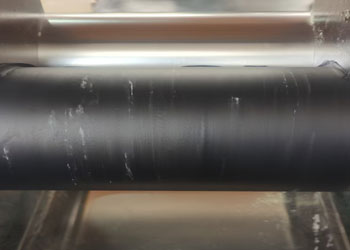
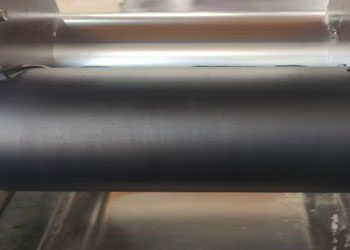
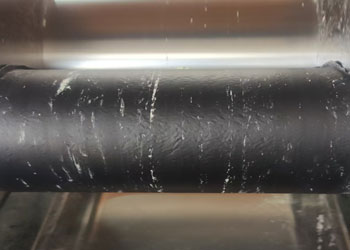
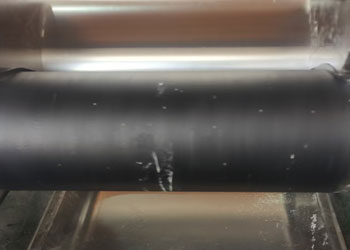
Comparison of roll kneading performance with powder products
Comparison of roll kneading performance with powder products |
| 10 seconds later | 30 seconds later | 60 seconds later | |
| MASTERBATHCES | 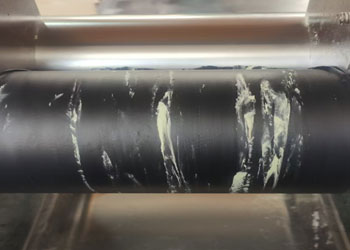 |
 |
 |
| POWDER | 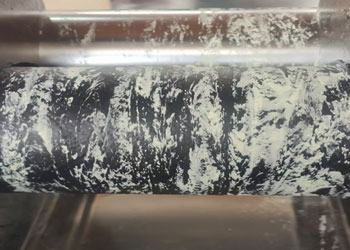 |
 |
 |